 Skip to content


Bulking Vs Cutting - What's The Difference?
Madhura MohanThose who venture into the fitness world are often encountered with 2 different terms — bulking and cutting. Newbies need more clarity on these 2 terminologies as they literally get lost with the overburdening information they get from seniors at the gym.
Over the past couple of days, a lot of people have been requesting us to clearly explain the difference between bulking and cutting, how each one works, who is supposed to aim for bulking, and who should plan for cutting?
Glad to answer your queries, guys! This blog provides you with an easy-to-understand guide on bulking and cutting. To go with, let's first understand the terms in a simple manner…
What Do The Terms Bulking & Cutting Mean?

It's simple guys — bulking involves consuming more calories than you burn in order to put on weight. Cutting involves consuming fewer calories than you burn in order to lose fat.
To go a little in-depth, the primary goal of people in the bulking phase would be to add on muscle mass, increase body weight, and strength via surplus caloric intake. The excess calories you intake create a positive energy balance during a bulking phase which will contribute to adding additional muscles.
The primary goal of people in the cutting phase would be to lose body fat, reduce body weight, and get leaner while preserving muscle mass. Here, an energy deficit is created due to low-calorie intake or increased energy expenditure via workout.
Takeaway → Bulking aims at putting on weight and getting bigger; whereas cutting aims at getting leaner and losing excess body fat.
Who Should Plan To Bulk?

Those individuals in whom body fat level and muscle mass is relatively low, and who need to gain weight, should think of bulking. A man with 10% body fat or less, or a woman with 20% body fat or less, should plan for bulking.
Who Should Plan To Cut?

Individuals who want to maintain their current weight — a man with more than 15% body fat or a woman with more than 25% body fat — should think of cutting. If you already have substantial muscle mass but your body fat percentage is higher than you'd like, you should plan to cut.
Also Read: Lean Muscle Vs Bulk Muscle
*To know your body fat percentage, consult your dietitian or use online apps.
What To Eat For Bulking?

There is a misconception about bulking — most people think of it as an easy process that can be achieved by merely eating anything. Well, this is not true. Bulking doesn't mean one can sit at home like a couch potato and eat a lot of potatoes… won't that sound funny, guys?
A high proportion of the excess calories you consume should come from foods containing protein, as protein will provide you the necessary amino acids required for building muscle mass.
Trying to get all your calories from carbs or having minimal intake of protein will make you just gain fat and little muscle.
Those in the bulking phase can aim to get their calories from a lean, clean protein source, carb-rich foods, and a good fat diet. You must also focus on getting an adequate amount of vitamins and minerals.

Let's take an example: if you are a person who weighs 81 kg, then you would need to consume 81 g of protein per day (at 4 calories per gram, this works out to 324 calories), 45 grams of fat (at 9 calories per gram, this works out to 405 calories), and fill the rest with carbs (at 4 calories per gram) based on your calorie intake goals.
What To Eat For Cutting?
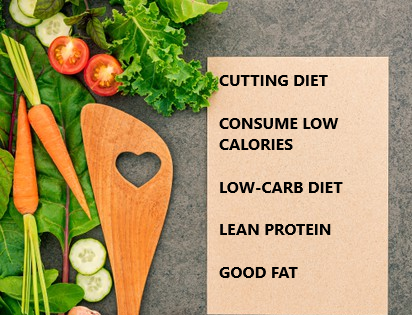
Your diet won't be much different for cutting — you will still focus on clean eating by getting protein from a lean and clean protein source, good fat, and carbs. The major difference between a bulking and cutting diet is that in the cutting phase, you'll need to lower your calorie intake by cutting back on carbs, as getting more calories from carb sources will lead to fat gain and the corresponding increase in weight.
What Is Dirty Bulking & Clean Bulking?

Some people take in too many calories, often from junk foods, which are really bad for health. Eating too many calories from the wrong source will only make you fatter without adding muscle mass. This is dirty bulking.
If your protein consumption is high enough, your body will derive the nutrients for muscle building and use calories from its stored fat to allow you to build muscle. So, bulking with 5–10% extra calories above your maintenance level can be termed as clean bulking, as this can lead to maximizing muscle growth while minimizing fat gain.
How Long Does It Take To Find Results Of Bulking & Cutting?

The results of cutting purely depend on how much fat you want to lose. The results of bulking depend on how many pounds of muscle you want to gain. The cutting phase generally takes less time than the bulking phase, as it takes less time to lose fat mass than to gain muscle mass.
However, the best results of both bulking and cutting usually take an 8–12 week period, depending on how dedicated and sincere you are with diet and workout — and more so on your body type.
What Workout Type Should You Follow For Bulking & Cutting?

- Bulking: High-volume weight training will help you gain muscle mass and muscle strength.
- Cutting: High training volume (higher reps), including cardio workouts, helps create a caloric deficit and fat loss.
You must understand that both bulking and cutting aim for better definition and muscle mass — while bulking involves a diet and training program geared for building muscle, cutting involves a diet and training program geared towards losing fat…
Remember, whatever your fitness goal, you can make it happen only if you are accountable…
Also Read: Low-Carb Diet For Weight Loss – How Does It Work?
Follow our Instagram page for the latest updates: badalkhudko