 Skip to content


The Plastic Pollution Crisis – Facts & Information
Madhura Mohan
Ever wondered where the plastic bottle from which you consume juice, or the plastic tub from which you eat ice cream goes? To your dustbin, then to the garbage van — and from there? This is the problem. We rarely bother about the after-effects.
Right from toothbrushes to telecommunications, electronics, clothing, footwear, and food packaging — almost every aspect of daily life involves plastics. While plastic has undeniably revolutionised the world, it has also plagued our planet. Plastic production is crossing 150 million tonnes per year globally, and plastic trash has become so ubiquitous that its effects are now one of the most pressing global environmental issues.
What Is Plastic?
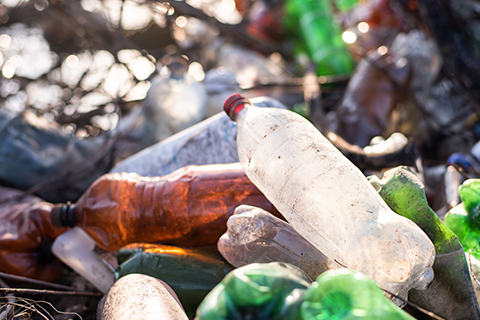
The word ‘plastic’ is derived from the Latin ‘plasticus’ — meaning capable of moulding. On a molecular level, plastics are made of polymers: long, flexible chains of chemical compounds. This structure allows them to be easily moulded and shaped under pressure. Some of the earliest use of plastic dates as far back as 3,500 years ago. During the mid-19th and 20th centuries, synthetic plastics like celluloid and bakelite made their debut.
How Is Plastic Made?

Most plastic today is derived from fossil fuels — crude oil and natural gas. Around 4% of world oil production is used as feedstock for plastics. Crude oil and gas are extracted, refined into ethane and propane, then sent to cracking plants where they become ethylene and propylene. These molecules are mixed with a catalyst to form polymer resins. Resins are heated, cooled, and chopped into pre-production plastic pellets (nurdles) which are then transformed into plastic products at factories.
Common plastic types: PET, HDPE, PVC, LDPE, Polypropylene (PP), Polystyrene (PS).
What Is Plastic Pollution?

The significant amount of plastic that isn’t recycled, is dumped in unregulated sites, or is incinerated all contribute to plastic pollution — damaging natural habitats, endangering marine life, and polluting communities worldwide.
Prime Causes of Plastic Pollution
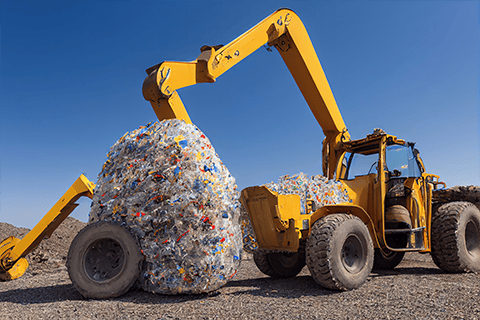
- The versatility, affordability, and durability of plastic have led to exponentially increasing production and waste.
- Single-use plastics (straws, grocery bags, food packaging) contribute to 40% of all plastic waste. 91% of plastic is not recycled.
- Irresponsible disposal — plastic dumped into landfills, rivers, and oceans or burned.
- Plastic takes nearly 400 years to decompose and breaks down into microplastics that pollute land, oceans, and lakes indefinitely.
Harmful Effects of Plastic Pollution

Soil Infertility
Plastic dumped in landfills leaches toxic substances into soil, reducing fertility. Chemical waste washed through soil by rainfall contaminates groundwater.
Global Warming
Plastic incineration generates toxic compounds — carbon monoxide, dioxin, hydrochloric acid, benzene — that contribute to the greenhouse effect and global warming.
Water Pollution
Plastic dumped in rivers, lakes, wells, and seas adversely affects water bodies and contributes to global warming.
Threat to Marine Life
Millions of tonnes of land-based plastic reach the ocean annually. Microplastics containing BPA and other chemicals are ingested by fish and seabirds — entering the human food chain through seafood consumption.
Threat to Wildlife
Plastic in forests ends up threatening wildlife through choking, intestinal blockages, internal bleeding, and chemical leaching — sometimes causing death.
Increased Carbon Footprint
Throughout its lifecycle, plastic results in a carbon footprint of 4 to 6 tonnes of CO₂ per tonne of plastic produced.
AS-IT-IS Commitment Towards Reducing Plastic Waste

There’s no denying that plastic packaging has proven useful, but when it comes to an unignorable environmental cost, disadvantages outweigh benefits. Food packaging makes up about one-third of the most commonly littered plastic.
A complete rethink of how brands design and package their products can make a real difference. Reducing packaging plastic by just a few grams makes a substantial impact across an entire product range. Over the years, AS-IT-IS has cut the weight of plastic significantly through better and lighter designs. Consumers can contribute to the mitigation of plastic pollution by supporting low-plastic packaging initiatives.
Be mindful of the impact of plastic on our planet. Minimise plastic usage and save earth.
Frequently Asked Questions
“The accumulation of plastic debris and associated consequences are largely avoidable. It’s time we get more responsible towards plastic usage to ensure a healthy and safe planet.”
Support brands committed to low-plastic packaging. Reduce single-use plastic in daily life. Even small individual choices compound into large collective impact over time.
16 comments
Your product’s are really very good